For a group that has to trust each other before the real work starts.
Connection, values, culture, service and human impact — built out of the city the team is already standing in. Below is a real day in New York, the arc underneath it, and how we design one now.
One Crazy Day: City · New York
Twenty dollars, one city, and a belief you have to prove.
They arrived in New York from around the world for a two-week leadership programme. Some had travelled a few miles, others had crossed oceans, several were badly jet-lagged. They knew each other's names and titles and almost nothing else. Two weeks would not be enough if the first several days were spent establishing status and deciding whom to trust. The group needed to get deeper, faster — to know each other less as executives exchanging biographies and more as old friends. That became the purpose of day one.
On the flight in
Find your three real values
Before arriving, each person had an assignment: identify your three most important personal values and start examining the beliefs underneath them. Not the polished ones that go on a company website — the real ones. What do you believe about responsibility, family, courage, generosity, dignity, fairness, sacrifice? What experiences formed that belief, and how does it actually show up in your behaviour?
Morning
Past the titles, quickly
In small teams they shared those values and dug into the beliefs beneath them. People spoke about parents, children, struggle, opportunity, loss, ambition and faith in other people. Job titles stopped being interesting within the first half hour.
Then the assignment changed
Twenty dollars. Make the belief visible.
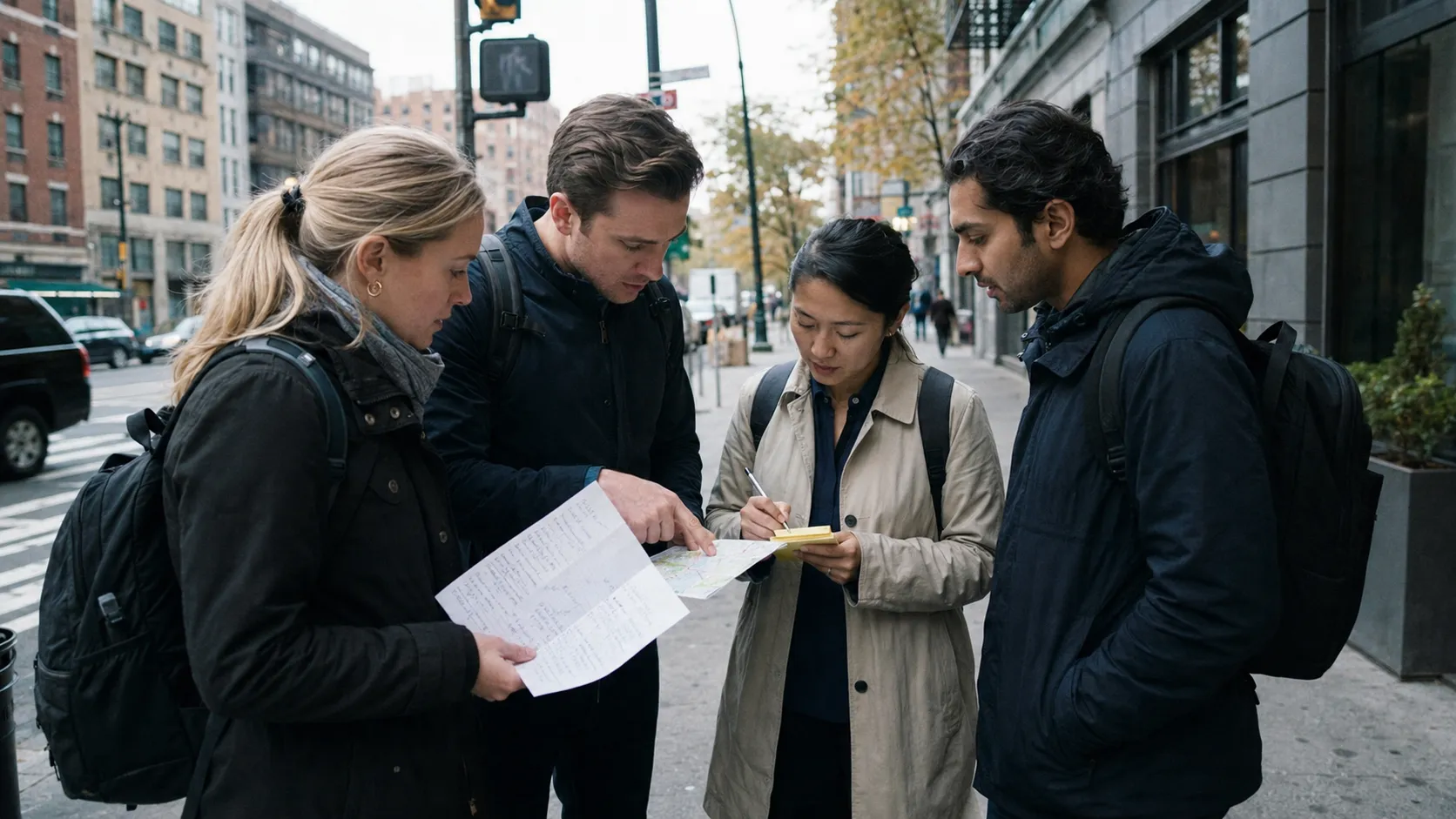
Describing what you believe was no longer enough. Each team was sent into New York City with $20 and a challenge: translate what you believe into action, and create as much meaningful impact as you can. Not one symbolic gesture — a set of repeatable actions that expressed their shared values, carried out across the city, and documented as they went.
All day
A control centre watching the city
Teams sent back photographs, video, explanations and stories. Facilitators tracked progress, judged the creativity and meaning behind each choice, and awarded recognition as the day unfolded. Teams also moved through checkpoints — each one another task, another constraint, another chance to earn recognition, and another demand to explain how what they just did connects to what they claim to value.
One team
Five dollars in quarters
They had talked about family, responsibility, and protecting the people who depend on you — and about financial responsibility being less about accumulating money than about stopping small mistakes from becoming large, unnecessary consequences. So they changed five dollars into quarters and went looking for parked cars with meters about to expire. They fed the meters and left a handwritten note explaining that a stranger had paid to protect them from a ticket. They would never meet any of those drivers. That was part of the point.
Another team
“You matter.”
They had talked about kindness, dignity, and the invisible effect people have on each other. They bought small notes and wrote on them — you matter; you are stronger than you know; there is something beautiful about you — then hid them where strangers would find them by accident, behind ordinary products on shelves. To the recipients it looked random. The team understood it was not random at all: entirely intentional from the giver, unexpected only by the receiver.
Late afternoon
The awards become money — and the money is not theirs
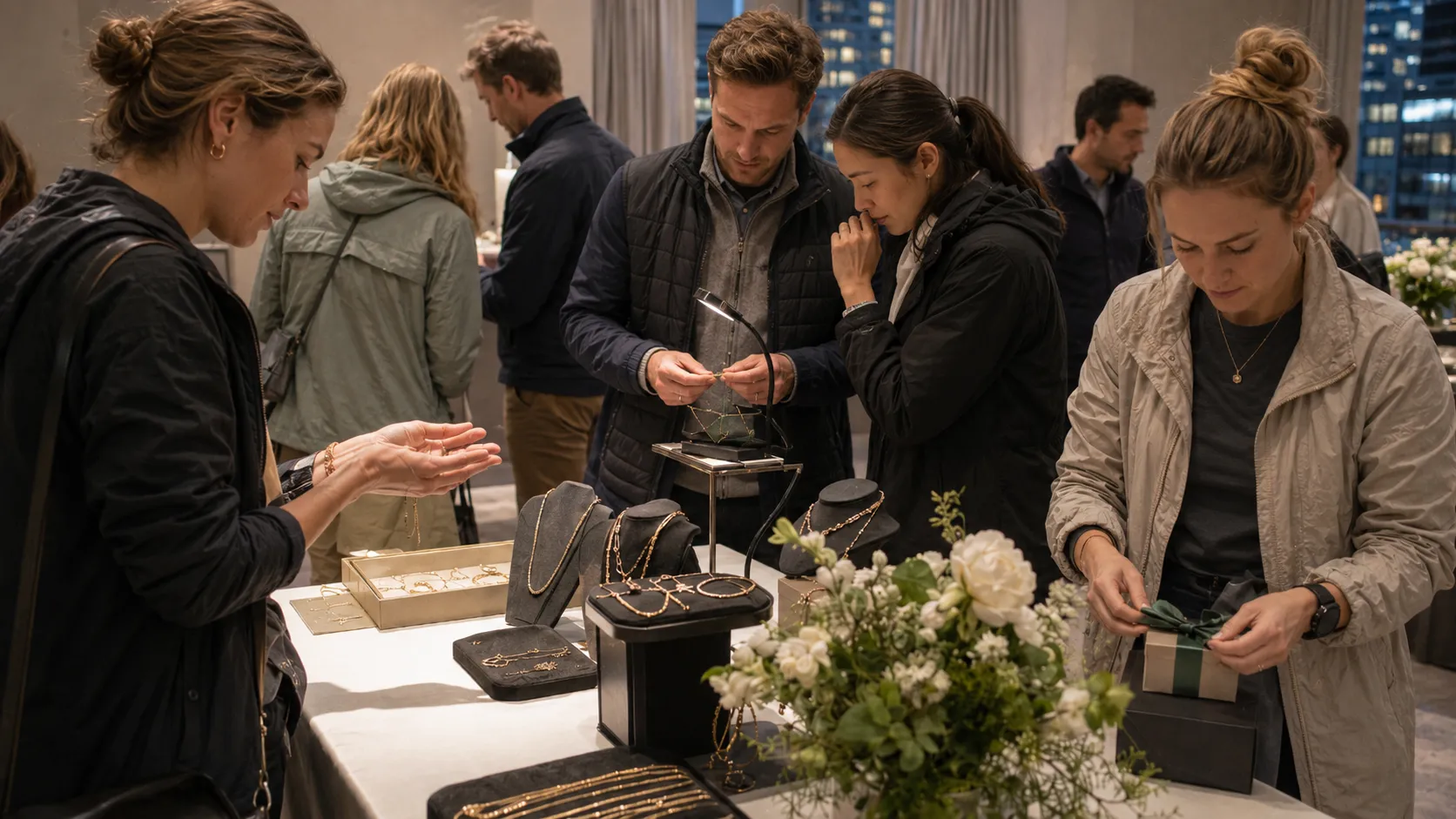
Recognition was awarded on meaning, imagination, courage, collaboration and impact rather than volume. Back at base, those awards converted into money, and the teams entered what we call the Shop of Dreams. This company was in the jewellery business, with a real commitment to empowering girls. The leaders spent what they had earned choosing beautiful pieces, then wrapped each one carefully as a gift. Only then were they told where they were going.
Evening
A children’s hospital
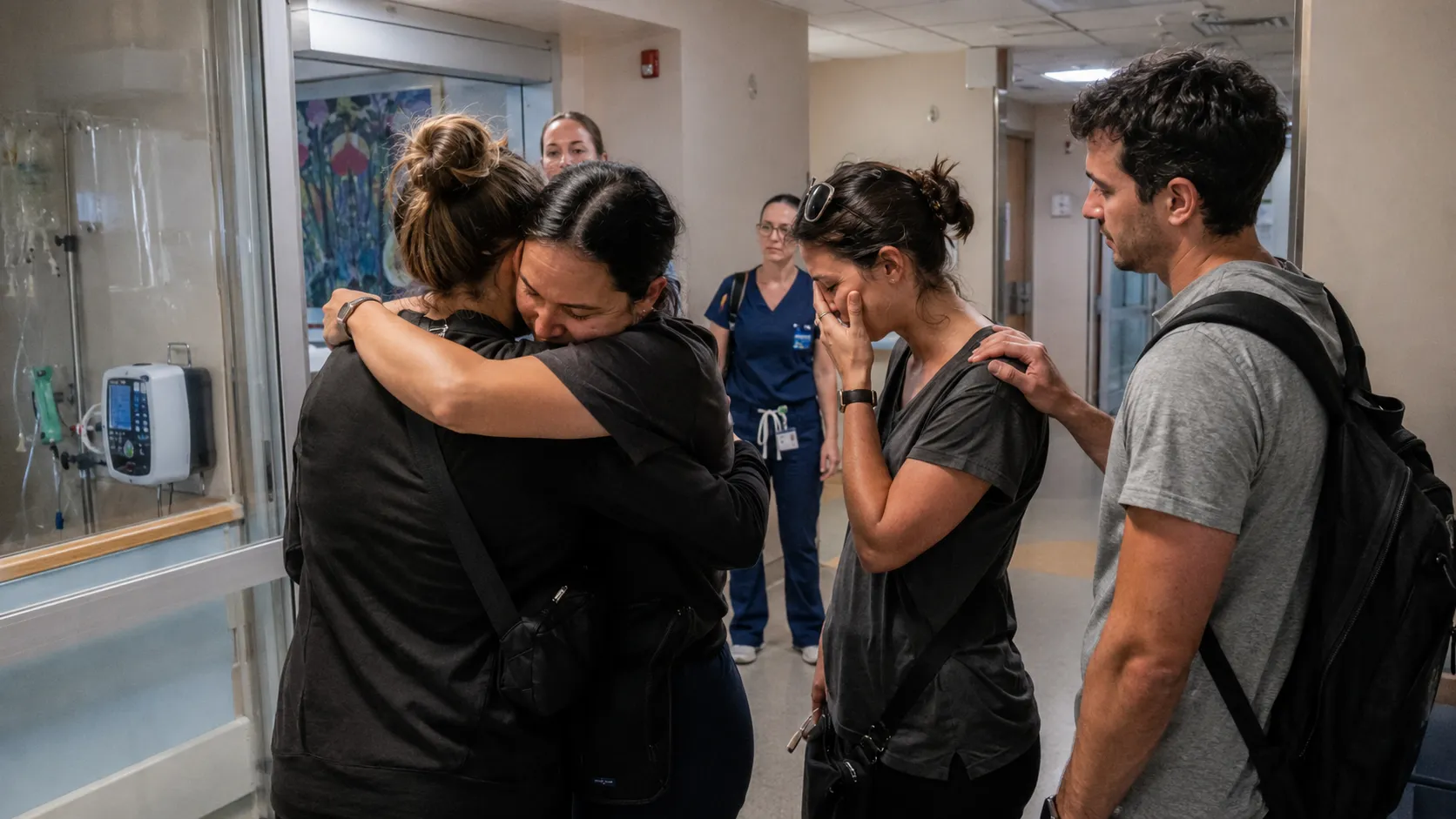
They were visiting young girls being treated in a burn unit. The gifts were not medical supplies; they were symbols of beauty, identity and a future beyond the hospital room. Some of the girls could not wear the jewellery yet — they could hold it, look at it, and imagine wearing it when they left. The executives went in in small groups: exhausted, jet-lagged, having eaten little, having spent the day exposing parts of themselves that never appear at work. They gave the gifts. They saw the girls smile. They came out crying and holding on to one another, and the professional boundaries of that morning no longer seemed particularly important.
Dinner
A pizza place, and the real conversation
No elaborate closing reception. A simple restaurant, a private room, food already on the table. They talked about their values and whether their actions had actually reflected them; about the people they had met and the decisions their teams had made; about how their read on each other had changed. They described a bubble that had formed around the group — an unusual level of trust, honesty and emotional permission. The closing question was not how to preserve the day. It was how to carry that quality of relationship into the next two weeks and then back into the company: how will we disagree inside this? How will we tell the truth, and ask for help, when the stakes go back to budgets, strategy and politics?
The two-week programme that followed did not begin with a room full of guarded executives. It began with people who had seen each other clearly. It did not take them out of the city to manufacture an experience — it turned the city into an environment for discovery, action, contribution and connection.
It did not ask them to discuss their values. It required them to prove those values could become behaviour. And it did not try to build trust through conversation — it accelerated trust through shared vulnerability, real human contact, collective fatigue, and a final hour none of them could have carried alone.
By dinner they were saying the phrase that became the name: “that was one crazy day.”
The transformation arc
The effect comes from the sequence, not the ingredients.
The service activity alone does not produce it. Neither does the values exercise, or the competition. Eight stages in this order do.
When the city version is the right one
Ten conditions where connection matters more than pressure.
If several of these describe your situation, the city format will do more for you than the expedition.
A newly formed executive team has to become effective quickly
Leaders have arrived through acquisition or reorganisation
A global team rarely meets in person
They know each other professionally but not personally
Cooperation is transactional and needs to become trust
A leadership programme cannot afford days of guarded participation
Company values exist as language but not as behaviour
Leaders need to reconnect with purpose, customers or community
Status, geography or hierarchy is blocking authentic relationships
A hard strategic conversation or transformation is coming
Two design notes
Both of these change how we run the day — when they apply.
Neither is universally true of executive groups, which is exactly why they matter. When they are true of yours, they shape the language, the pairings and the debrief.
The city as a design surface
The city is not the location. It is the material.
A living system of people, constraints, institutions, neighbourhoods, transport, culture and unplanned human encounter. The day is built from the identity of your company and the problem in front of your team — and it is never generic volunteering with a charitable ending bolted on. One question drives the whole design:
What does this company claim to believe, and what would those beliefs look like if its leaders had to make them real today?
What that means by industry
Healthcare
Dignity, access, caregiving, and the patient experience.
Financial services
Security, opportunity, trust, and the consequences of financial exclusion.
Technology
Connection, access, isolation, and the human consequences of innovation.
Hospitality
Welcome, anticipation, service, and the experience of being unseen.
Construction
Shelter, craftsmanship, safety, and the people whose work holds a city together.
Consumer brands
Identity, belonging, beauty, confidence, and the lives of the people who use the product.
Components a city day can draw on
How we run it now
Same emotional architecture. Considerably more control.
We have been running these days for a long time, and the way we run them has changed. Unapproved activity in hospitals, stores, transport systems or private property is out; prearranged partnership is in. Any contact with patients or vulnerable people is governed by the host institution and is never treated as an emotional device for the participants.
The emotional weight has to come from genuine contribution and real human connection — never from surprise access to somebody else's suffering. Every current design ships with all nine of these in place before anyone leaves the hotel.
Curious what this day looks like with no budget ceiling? Read The City Never Sleeps — the unlimited-budget version of the city immersion.
Tell us where they'll be. We'll tell you what's possible there.
Thirty minutes with James. Bring the location and the problem — you'll leave the call knowing whether there's a legendary day in it, and roughly what it costs.
Book a 30-minute design callExecutive Immersion days start at $35,000. See how it fits with the other ways we work →
No pitch deck. No proposal until you've asked for one.