Executive Immersion · flagship format: One Crazy Day
We don't fly your team to the experience. We build the experience where your team already is.
One day. Engineered end to end. Assembled from whatever is genuinely within reach of your executive team — their own front door, an hour's drive, or a short charter if that's the day they want. Two formats: the expedition and the city.
250+
days run
For years we called it One Crazy Day, and we've run it more than 250 times — on coastlines, in deserts, out of city hotels, off the back of a chartered flight. Executive Immersion is the name for the whole category of work. One Crazy Day is still the format at the center of it. CNN wrote about these days back in 2012 — we'd already been running them for years.
A conference room can't produce the thing you're hoping for.
Your executives are exceptionally good at the room. They know how to sound aligned, hold a position, and manage the impression they leave. Put the same nine people somewhere the script doesn't exist — where the plan changes, the weather turns, someone has to decide fast with incomplete information — and you find out who they actually are to each other.
That is the whole mechanism. Not adventure for its own sake. A day built to simulate what executive life actually feels like, compressed into hours, in a place where none of them are the expert. What comes back to the office isn't a memory of a fun day. It's a group that has seen each other under load and can't un-see it.
Clients have been comparing this to The Game for twenty years.
The 1997 film, where Michael Douglas's character is dropped into an elaborate constructed experience and can no longer tell what is staged and what is real — all of it engineered to make him value the relationships in his life. Executives who remember it tend to describe the day in exactly those terms, and it is a fair description of the ambition: an environment built around one person or one group, designed to change something they could not be talked into.
Where the comparison stops: in the film nobody consents, nobody is safe, and the protagonist is deceived to the point of real harm. Your team knows they are in something designed. They know we built it. Nobody is endangered, humiliated, or lied to about anything that matters. The surprise is in the sequence, never in whether the day is under control.
How a day gets built
Four steps. You are never improvising, and neither are we.
If you're the one who has to book this: you will have a document to forward. Times, vendors, insurance, costs, and the sentence that explains to your CFO what the company is buying. Nobody has to trust a vibe.
Anywhere in the world
Three degrees of reach. You choose how far the day goes.
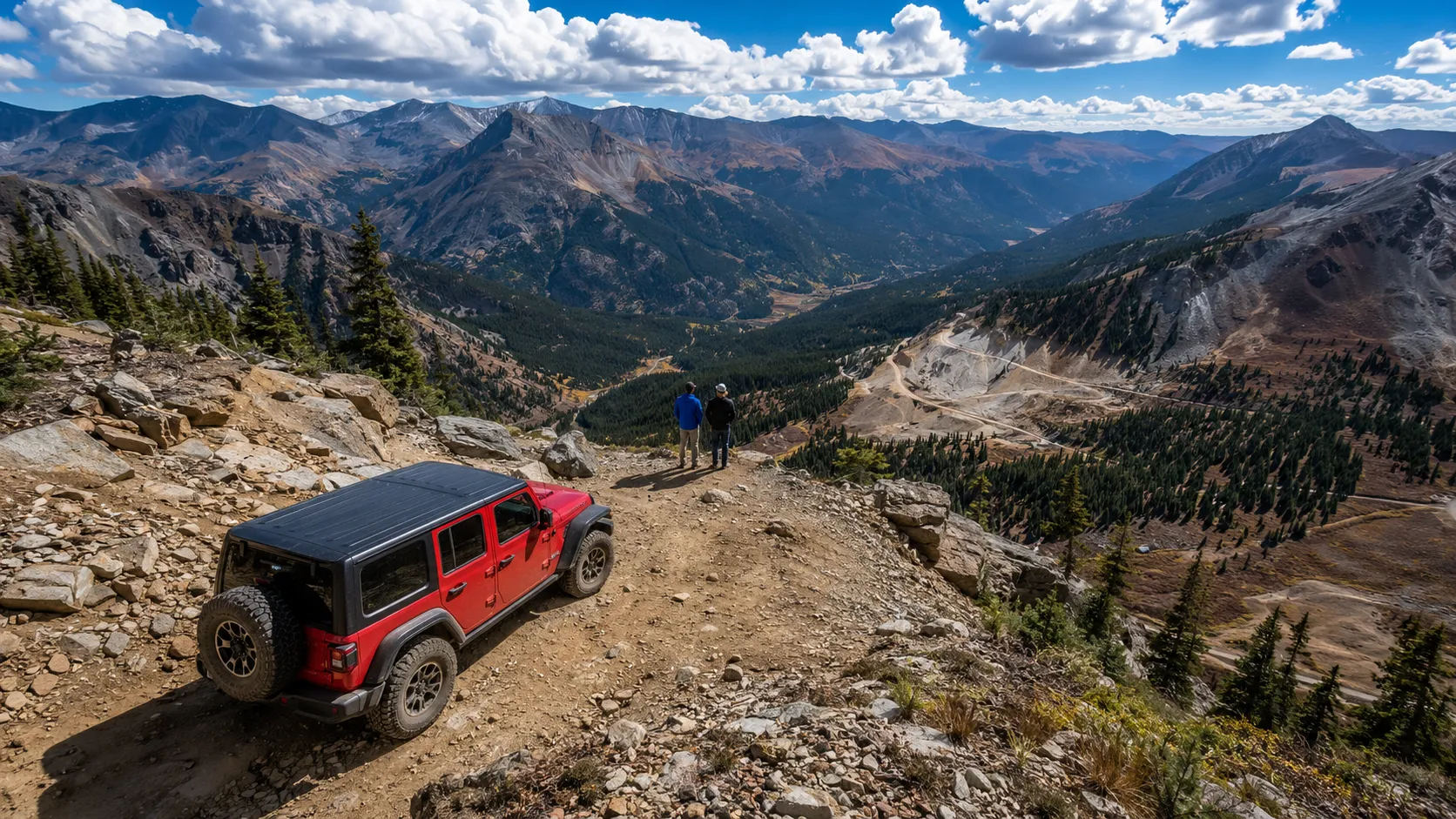
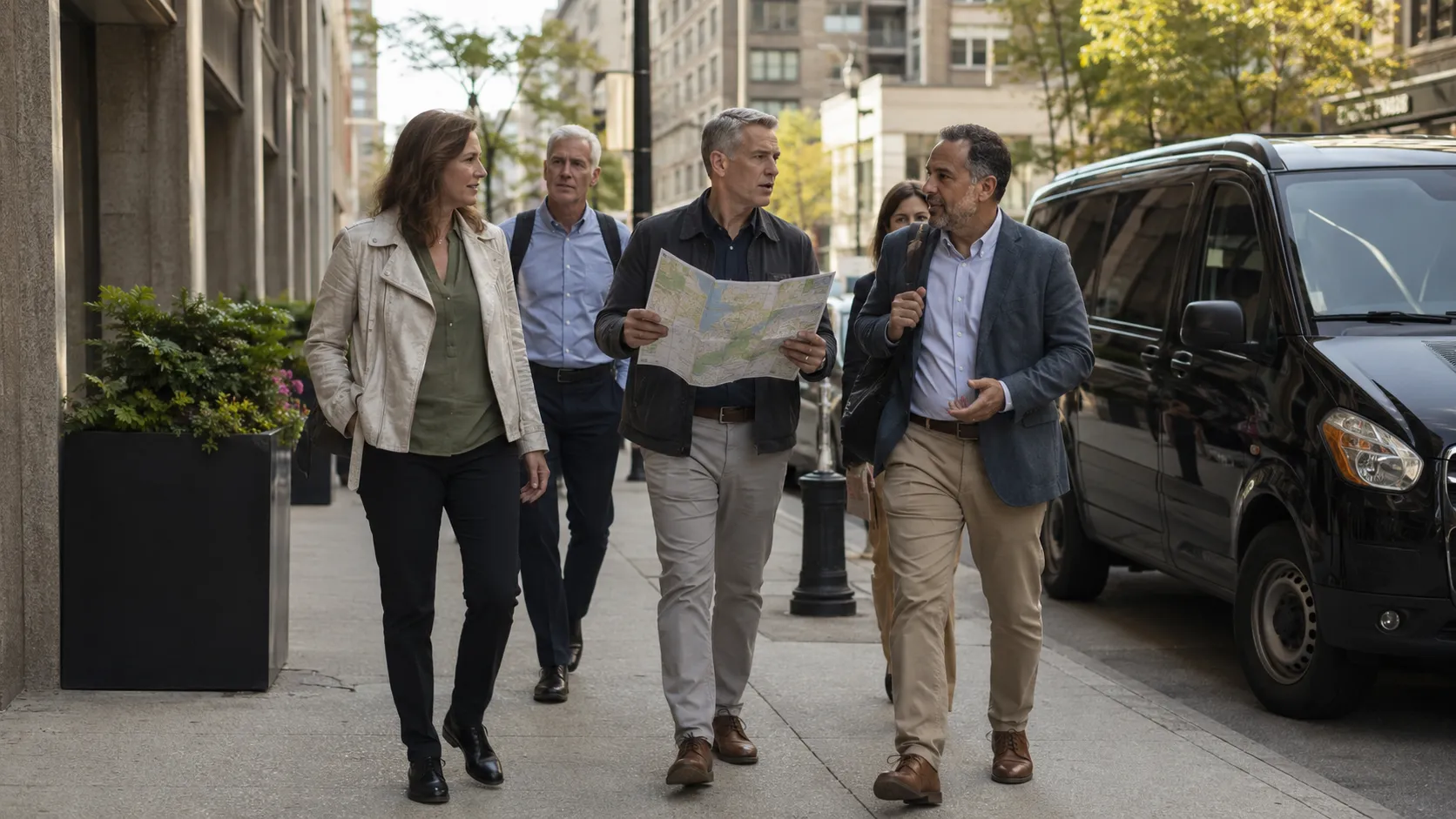
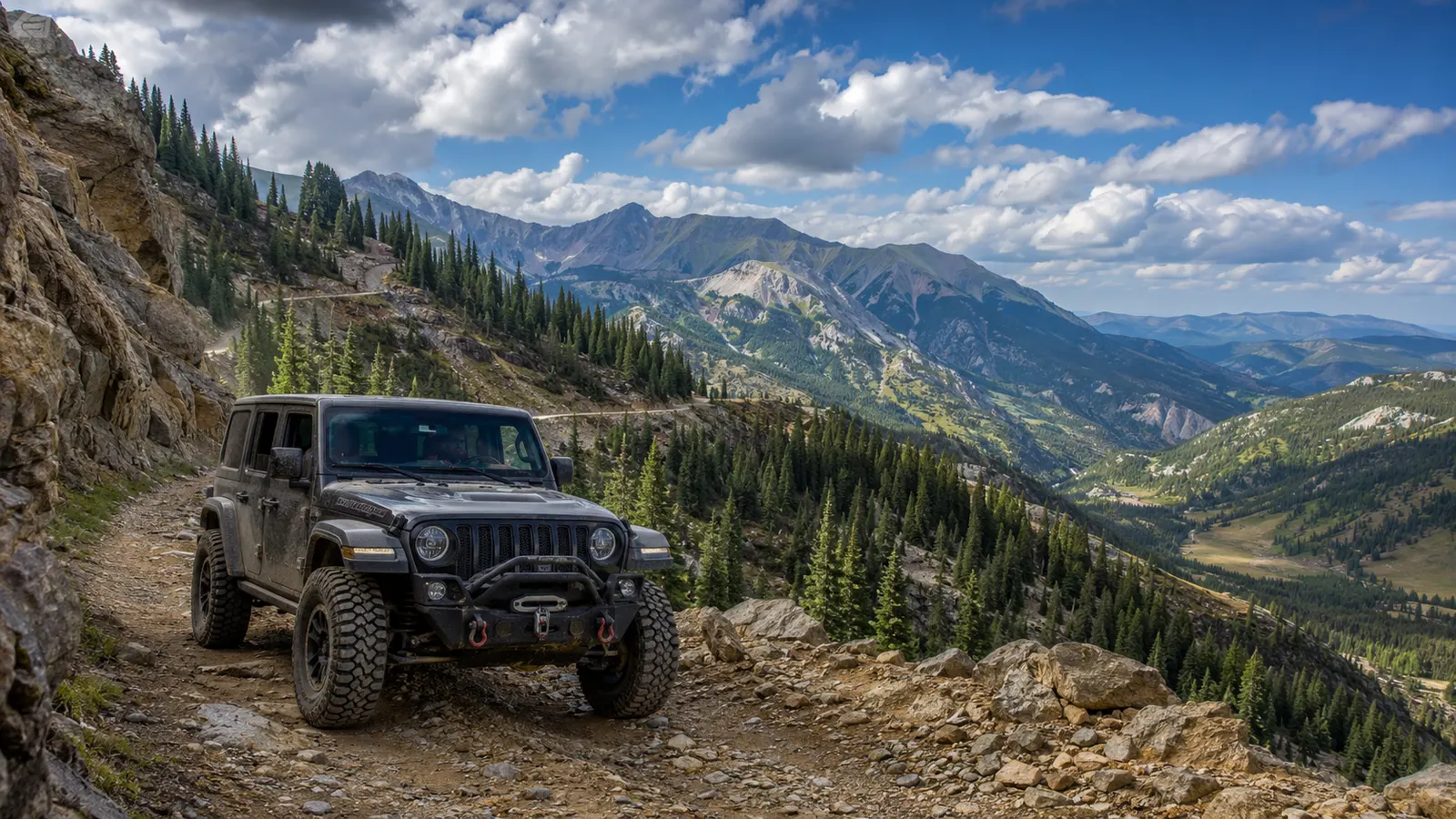
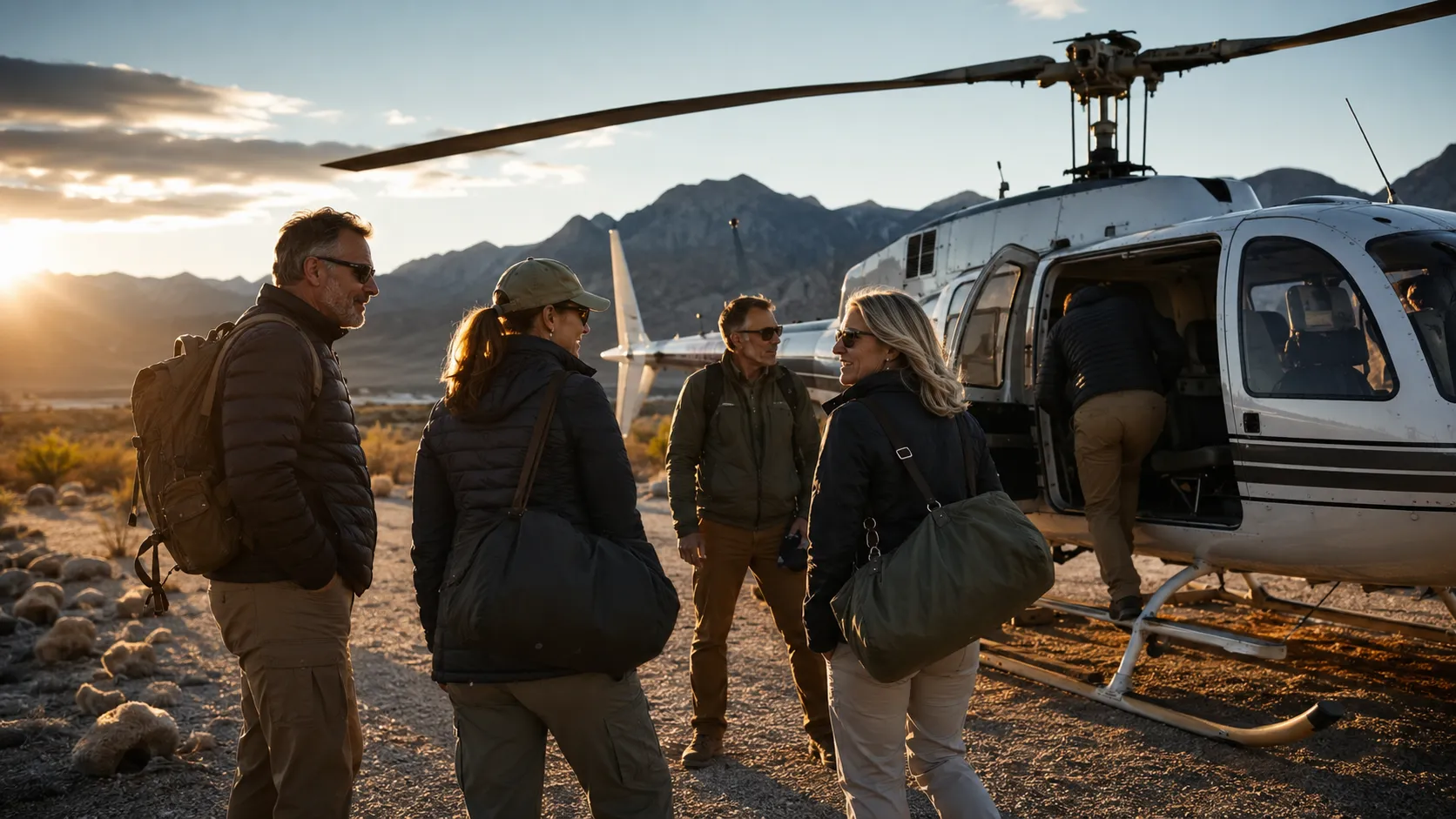
Some teams will charter a jet for a 45-minute flight because the day on the other end is worth it. Others want to walk out the front door of their own building. Both produce legendary days. The difference is budget and appetite, and both are entirely yours to set.
By format
Then choose the setting the day happens in.
Reach is how far you go. Format is what the day is made of. Each puts your team under a different kind of real pressure — pick the one that fits what you need to see.
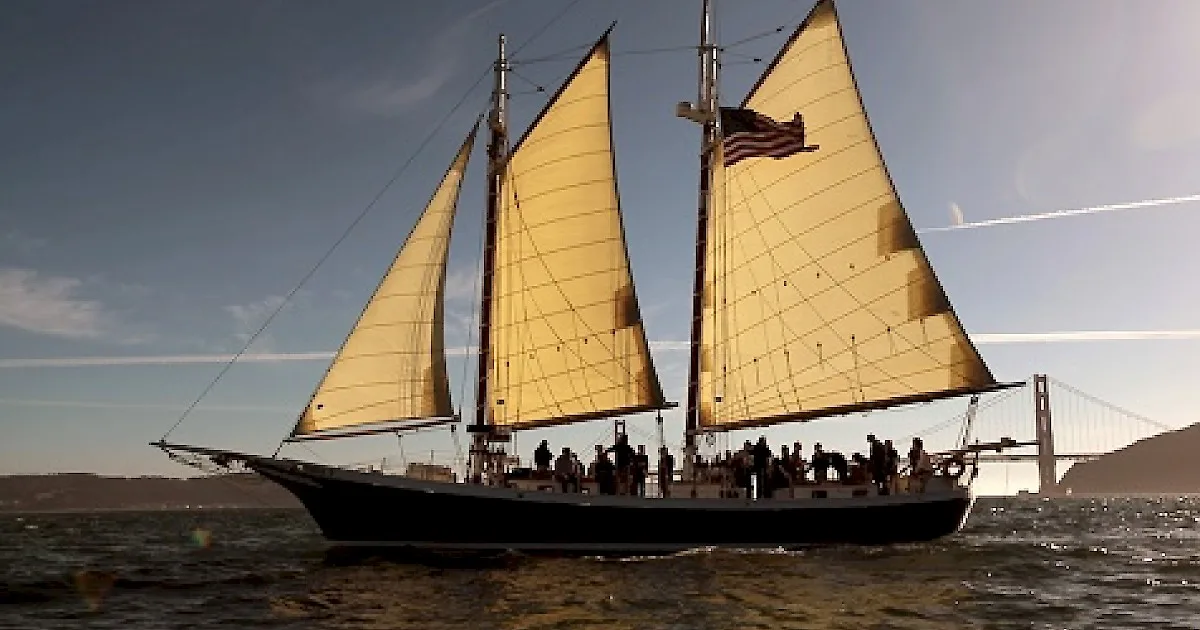
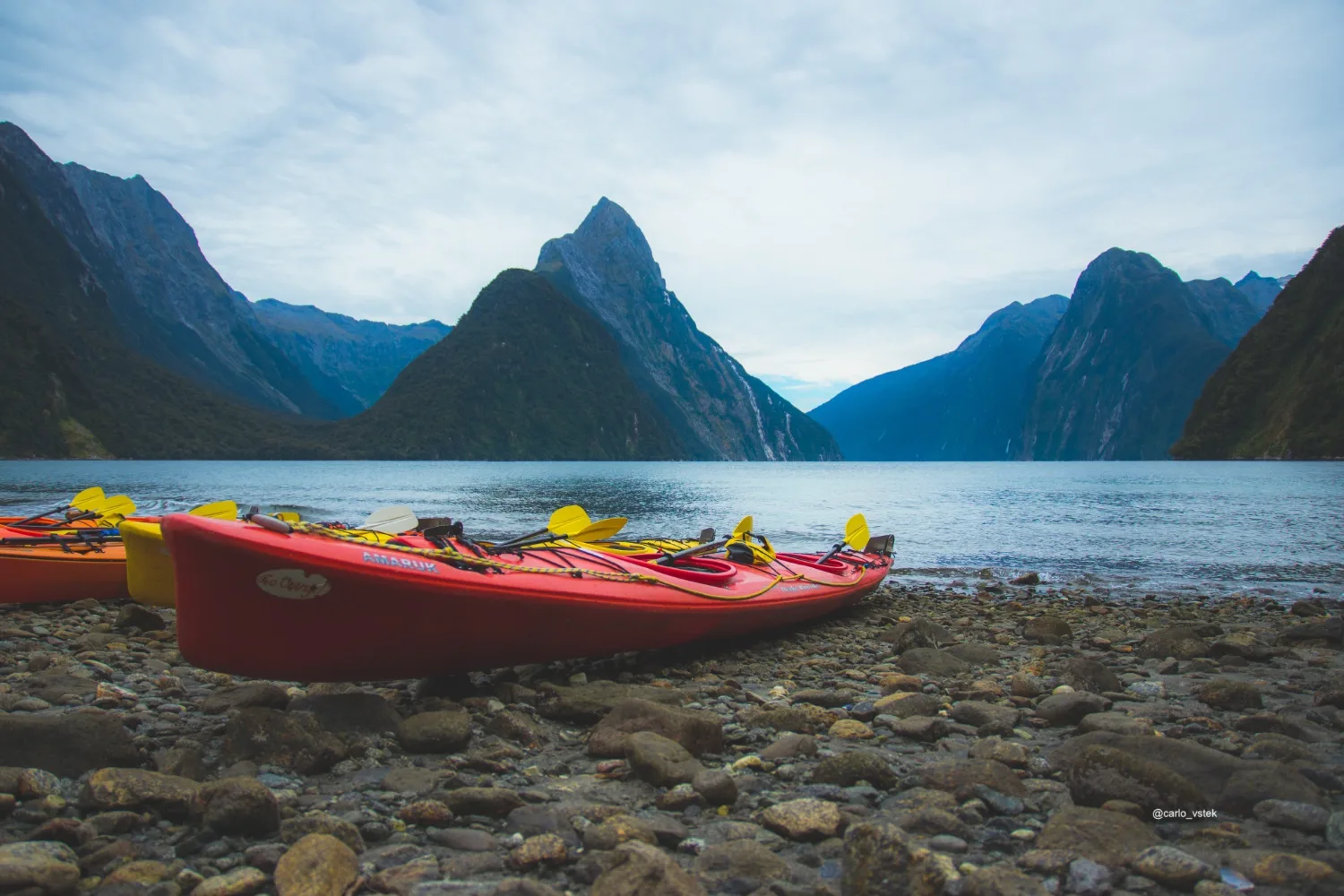
Somewhere else entirely — desert, alpine, winter, jungle? If the day calls for it, we build it. Talk it through →
The One Crazy Day platform
Three expressions of the same design system.
They are not separate products. Each begins with a business outcome and then uses an extraordinary day to make the relevant leadership behaviour visible. Which one you want depends entirely on what is currently broken.
Example one
One Crazy Day: Expedition
Uncertainty, judgement, adaptability and execution under real pressure. For an established team that needs to see how it operates when the plan stops working.
Read a full expedition dayExample two
One Crazy Day: City
Connection, values, culture and human impact. For a group that has to trust each other quickly, before difficult work begins — and for values that exist as language but not yet as behaviour.
Read a full city dayExample three
One Crazy Day: Ownership
Handoffs, ownership, initiative and purpose. For an organisation where every department reports progress, every person does their job, and the customer still does not get what was promised.
Read a full ownership dayA further example:
The City Never Sleeps →The product is not the activity. The product is accelerated truth.
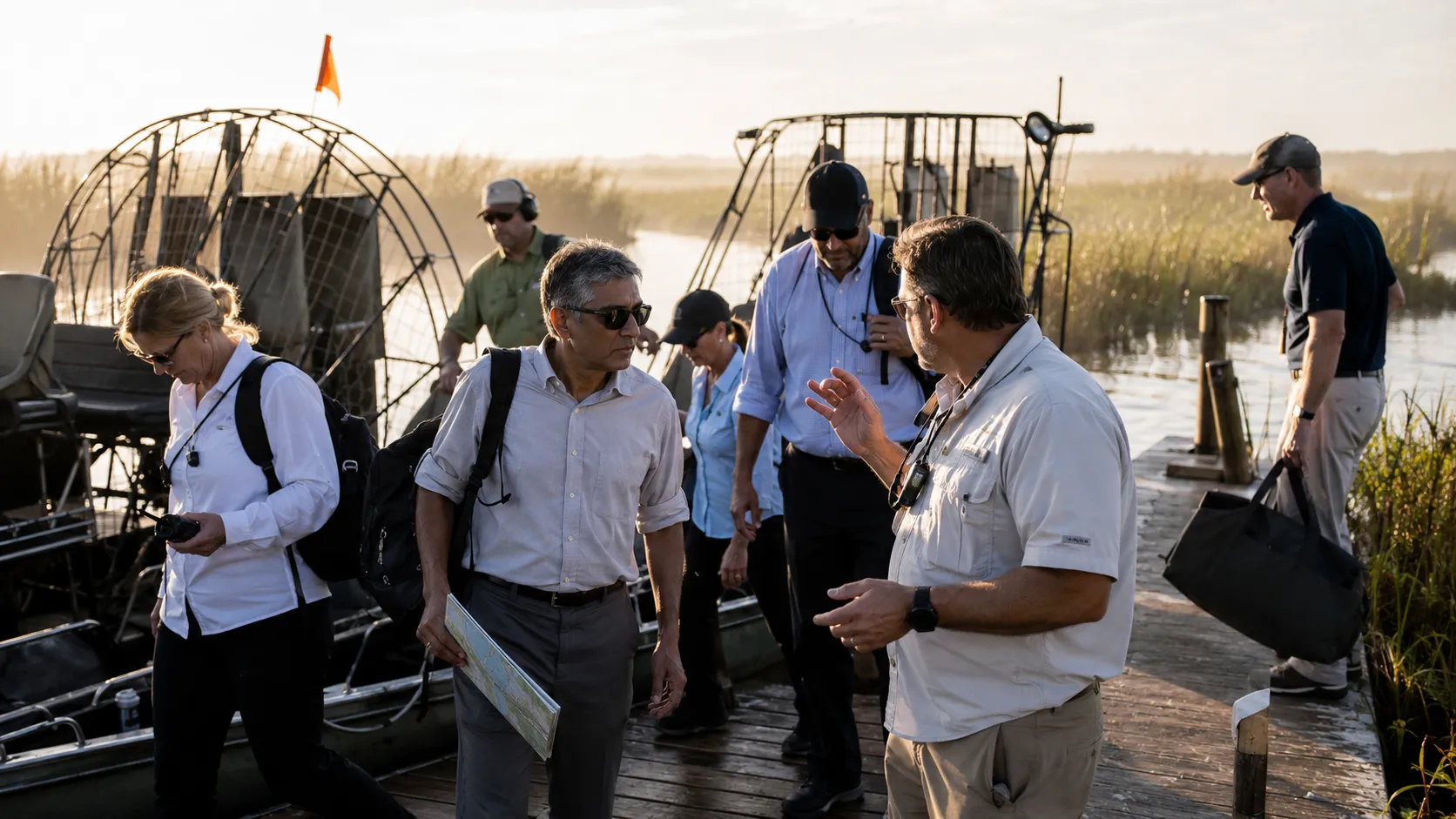
A short example · the Everglades, four hours
They fought each other over a pile of garbage. Nobody had asked whether they were supposed to.
The team was in Miami. The company was in a hiring freeze and a pay freeze, and the executives needed to stop asking for more and start solving with what they already had. That was the brief. Everything below was designed backwards from it.
Two assumptions, never once questioned
That teams two and three lose their hotel. We never said that. They invented it, believed it, and competed on the strength of it. So what else are they inventing back at the office and treating as policy?
That they had to be three teams at all. Nothing in the instructions forbade combining into one and every single person sleeping in that hotel. When the stakes are high, people take the rules as written and stop reading. Had anyone asked the question first, the entire day goes differently.
That is the lesson they had to arrive at themselves, hungry, standing on a hammock, having just fought a colleague over a piece of plywood. It is not a lesson that survives being said in a slide.
Then the second hammock
The airboats take them to another island where a five-star brunch is waiting under a canopy. Beside it, a real ShelterBox — the tent and kitchen that shelterbox.org ships into disaster zones. The activity they'd just failed was a post-hurricane survival scenario; we call it Shelter Box for that reason.
They climb inside and examine the kitchen with the memory of their own miserable structure still fresh. The company donated one box per team, to deploy on the next disaster. That was the give-back, and it landed because they had earned the comparison.
The debrief needed two questions. They ran with the rest of it themselves, straight through what and so what into now what — and the strategy session that followed happened right there at the brunch table, in the middle of the Everglades, with every brain in the group already switched on to the only question that mattered: what do we actually have, and what have we just been assuming?
~4hrs
total elapsed
This one was short — closer to four hours than a full day. Because the experience was that visceral, exhausting them further would have added nothing. An early start and no breakfast produced hunger and irritation that were completely authentic, which let us go straight to the meat. That's unusual. Most immersions run considerably longer, and intentionally so — the Sedona expedition and the New York city day both run dawn to well past dark.
The strategic value
Three layers running at once. All three have to work.
What the closing debrief has to produce
Not a discussion of the day. Eight answers, written down, with names against them.
Which behaviours accelerated the group
Which created avoidable delay
Where information was withheld or badly distributed
Which decisions protected the whole system
When individual incentive undermined the mission
Who became more effective once roles changed
What these same patterns currently cost the business
Which operating agreements the team adopts
The client does not buy an extraordinary day out. The client buys a controlled environment in which the executive team can see itself clearly.
The instruments
Almost every day is bespoke. A handful of instruments travel with us.
These are the pieces that reliably produce a specific effect regardless of where in the world we are. We describe them by what they do, not by what they are — because the surprise is a working part of the design, and your team shouldn't read the answer here first.
How we run it now
Same emotional architecture. Considerably more control.
Every current design ships with a vetted community partner, a need that partner defined, consent for photography, clear boundaries around vulnerable people, pre-approved locations, a safety and communications protocol, and scoring that never rewards disruption. The emotional weight comes from genuine contribution — never from surprise access to somebody else's suffering.
All nine safeguards in fullWhat we believe about executives
Four convictions the whole day rests on.
These hold for every team we have ever run a day for. Everything else about the design is contingent.
Adversity is the key
Nothing bonds a group of high performers on a personal level like overcoming something real together. Not a trust fall. Something with actual stakes, actual discomfort, and actual doubt about the outcome.
Behaviour under load is the only real evidence
How a team describes the way it operates and how it actually operates are different documents. Surveys, offsite discussions and self-assessment all capture the first. A day with real consequence in it is the only cheap way to see the second.
Intelligence is rarely the constraint
Everyone in the room is capable, and most of them have emotional intelligence they simply do not deploy at work. The day puts them in positions where analysis will not get them through and the other capability is the only thing left.
Purpose changes what people will tolerate
Hunger, fatigue and inconvenience are experienced as unfair right up until the moment a person can see who the effort was for. Nothing physical changes. What it costs them changes completely — which is why every day ends pointed at somebody other than the participants.
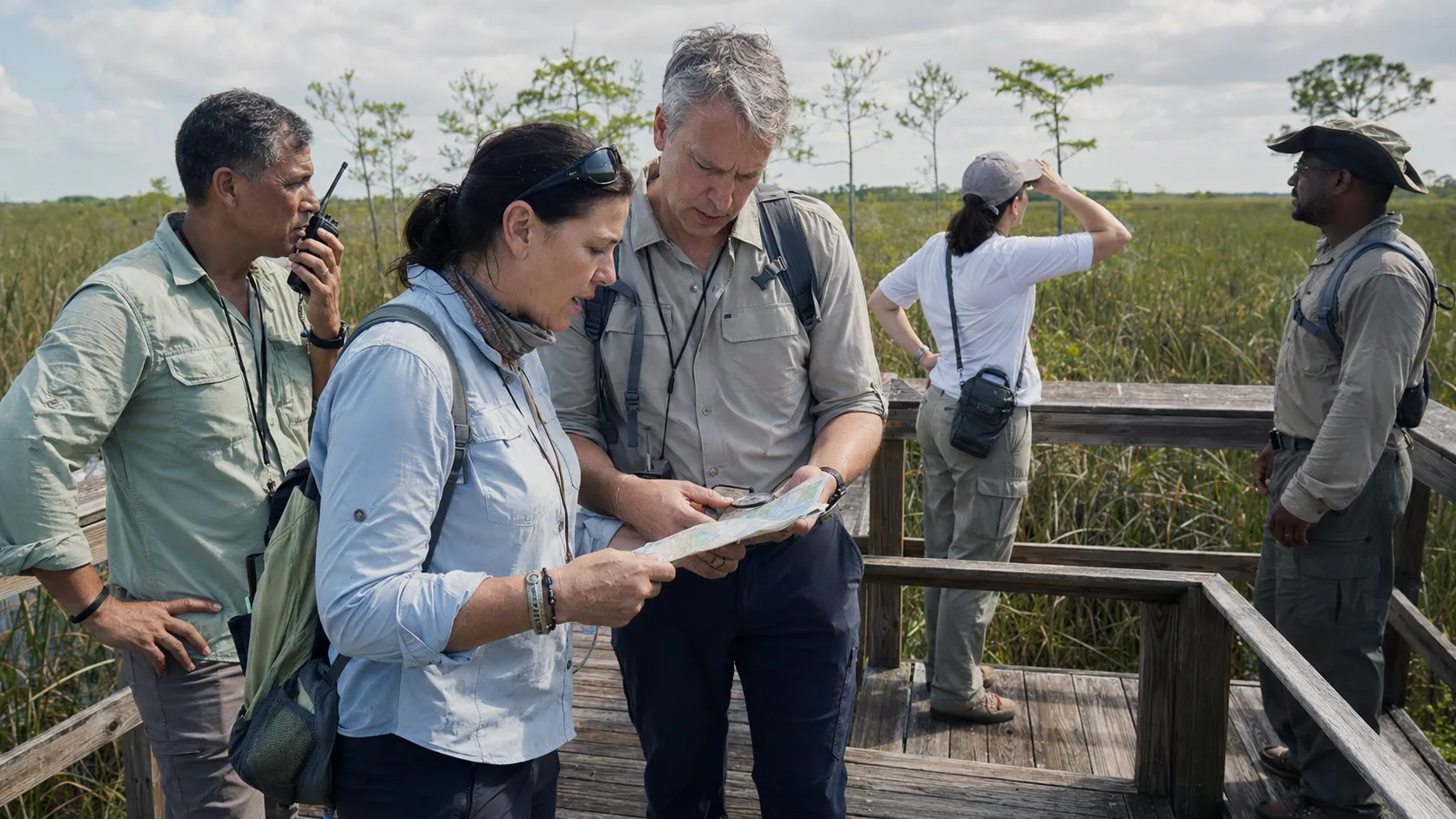
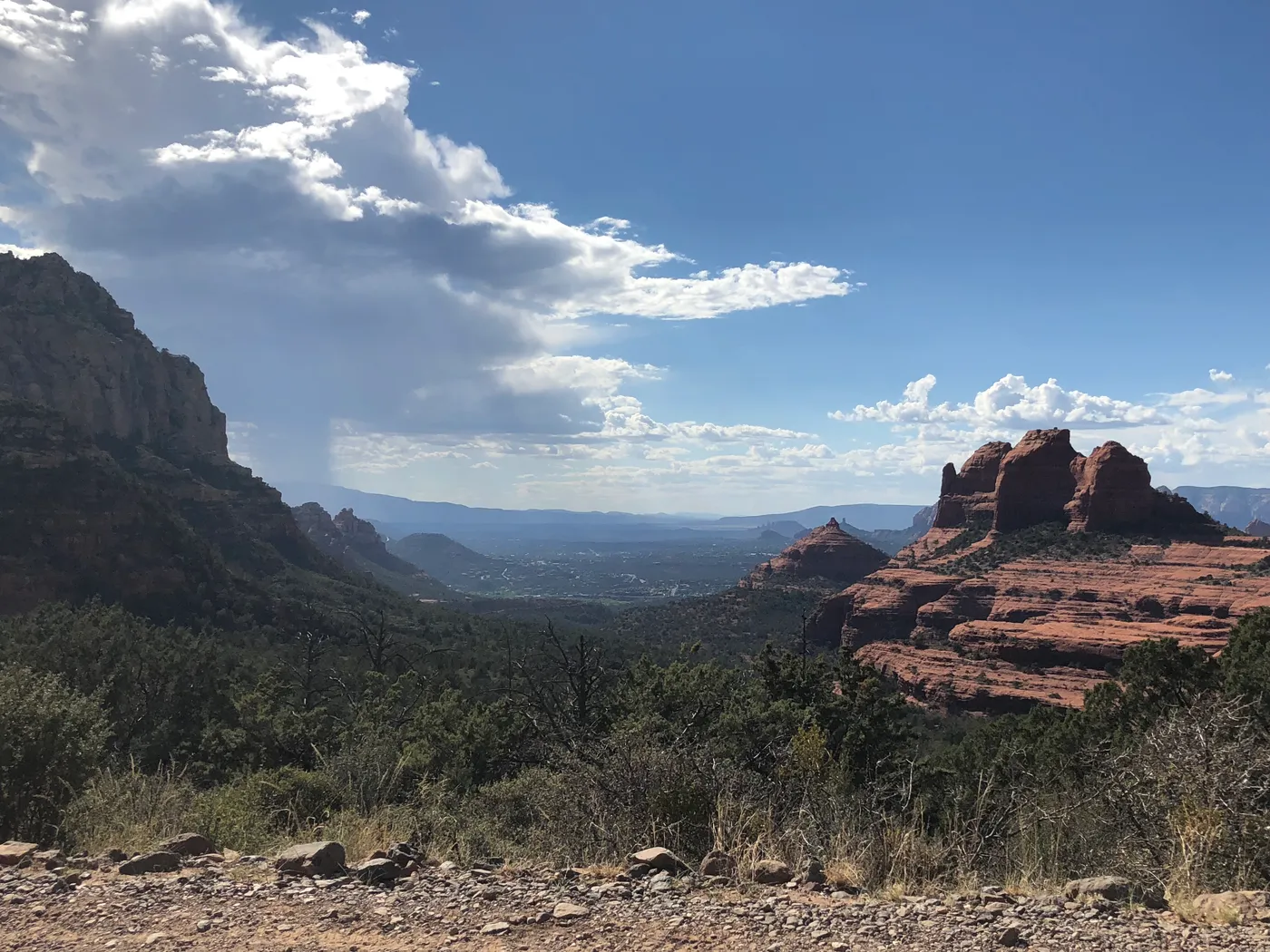
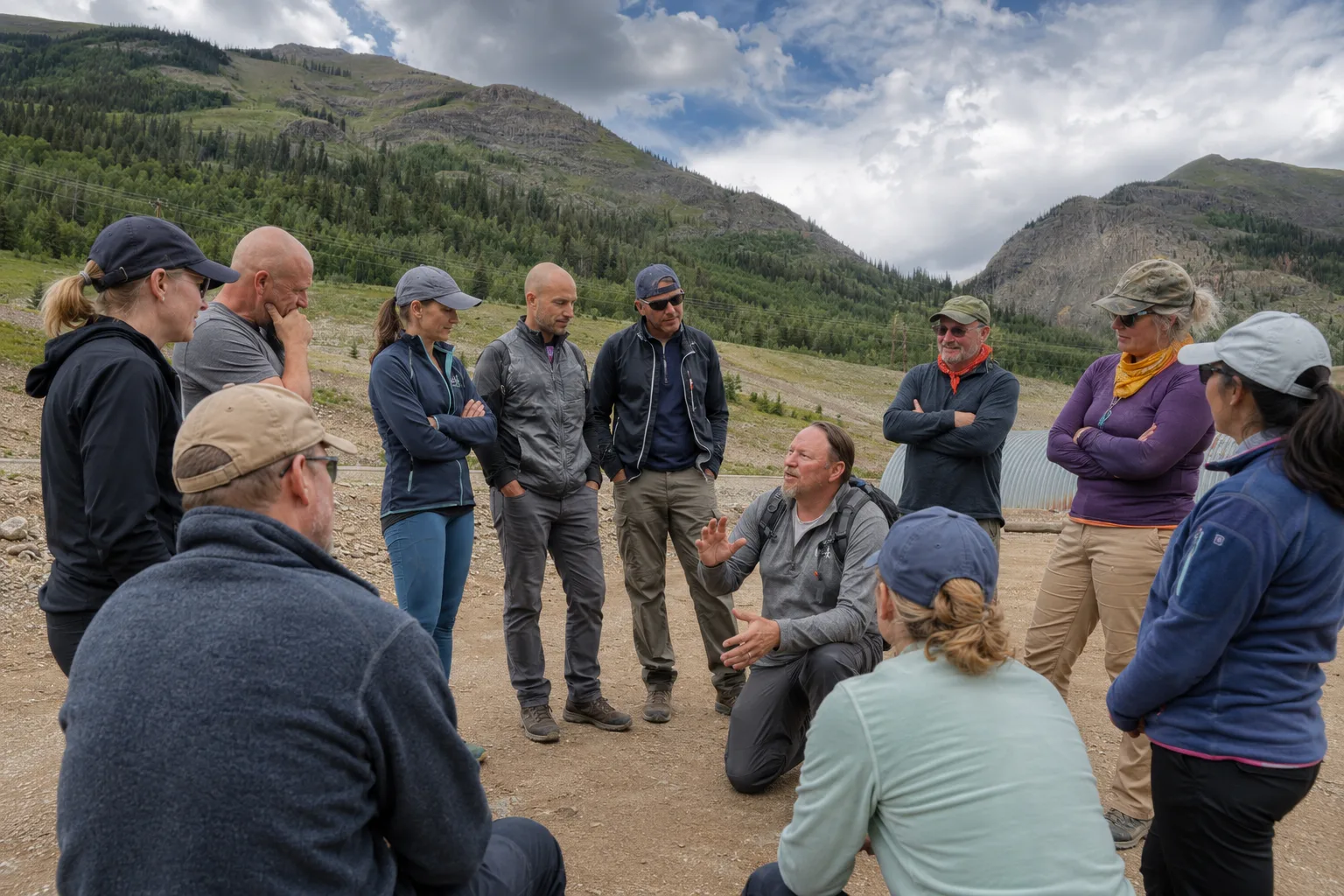
Every location is chosen after we know what the day has to accomplish — never before.
The questions you're going to be asked
Answers you can forward without editing.
Investment
Starts at $35,000
for the designed and facilitated day
That's the floor, and it buys a day built entirely around your team from what's reachable on foot or by van. From there the number moves with exactly one thing: how far you decide to reach. Aircraft, remote terrain, specialist operators and unusual access all cost real money, and every one of them is your call, made with the price in front of you.
What never varies is the design work and the facilitation. We won't run a cheaper day by running a thinner one.
Tell us where they'll be. We'll tell you what's possible there.
Thirty minutes with James. Bring the location and the problem — you'll leave the call knowing whether there's a legendary day in it, and roughly what it costs.
Book a 30-minute design callNo pitch deck. No proposal until you've asked for one.